Supporting Senior Dogs: How Longevity Pet Treats Can Make a Difference
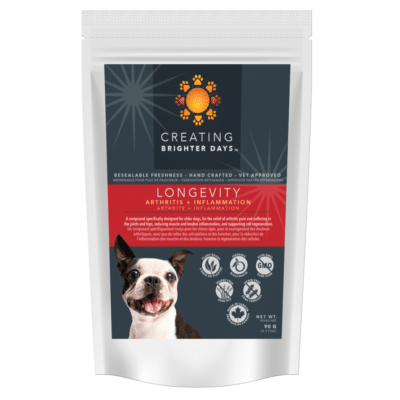
Caring for an aging dog is one of the most rewarding challenges a pet owner can face. You watch them slow down, see the gray muzzle appear, and notice the hesitation before jumping onto the couch. It is natural to want to ease their discomfort and extend their good years. That is where targeted nutrition comes in, and over the past few years a category called Longevity Pet Treats has emerged as a practical tool for supporting older dogs through the aging process.
I have worked with nutraceuticals for companion animals for over a decade, and I have seen firsthand how the right combination of ingredients can improve mobility, reduce stiffness, and even brighten a dog’s demeanor. The idea behind these treats is not magic. It is grounded in the same principles that drive human joint supplements and anti-inflammatory protocols, adapted for canine physiology. When you pair bioactive compounds like CBD, turmeric, and glucosamine with a delivery system dogs actually want to eat, you get something that works with the body rather than against it.
What Makes a Treat a Longevity Treat?
Not every biscuit or chewy square deserves the label. Longevity Pet Treats are formulated with specific goals in mind: supporting joint health, reducing inflammation, and maintaining organ function as the dog ages. The active ingredients are what separate them from an ordinary snack. You will commonly find glucosamine and chondroitin for cartilage support, omega-3 fatty acids for their anti-inflammatory effects, and antioxidants to combat oxidative stress. Many also include probiotics to keep the digestive tract healthy, which becomes more important as digestion slows with age.
Some of the more advanced formulas incorporate hemp-derived cannabidiol, or CBD, along with other terpenes from the hemp plant. These compounds interact with the endocannabinoid system, a regulatory network that influences pain perception, mood, and immune response. For a senior dog with arthritis or hip dysplasia, that can translate into more comfortable movement and less reliance on pharmaceutical pain relievers that carry their own set of side effects.
The Role of CBD and Hemp in Canine Care
I remember a case involving a ten-year-old Labrador retriever named Gus. He had developed noticeable stiffness in his hind legs, and his owner had tried everything from prescription anti-inflammatories to acupuncture. Nothing seemed to help without causing stomach upset. When we introduced a treat containing full-spectrum hemp extract, rich in CBD and other minor cannabinoids, the change was gradual but real. Within three weeks, Gus was initiating walks again and sleeping through the night without restless pacing.
That anecdote aligns with what research is beginning to show. CBD and other hemp-derived compounds can reduce inflammation by modulating cytokine activity. They also appear to support liver function and kidney support, two systems that take a beating as a dog ages. When combined with turmeric, which inhibits the same inflammatory pathways, the effect is often greater than either ingredient alone. This synergy is why many Longevity Pet Treats now pair turmeric with black pepper extract for better absorption, a lesson borrowed from human supplement design.
Key Ingredients to Look For
Reading a pet treat label can feel like decoding a chemistry textbook. Here are the ingredients I look for when evaluating a product for a senior dog:
- Glucosamine and chondroitin: These are the building blocks of cartilage. They help maintain joint structure and reduce the friction that causes pain in arthritic joints.
- Omega-3 fatty acids: Usually from fish oil or flaxseed. They lower systemic inflammation and support heart and brain health.
- Antioxidants: Vitamin E, vitamin C, and selenium help neutralize free radicals that accelerate aging and cellular damage.
- Probiotics: Beneficial bacteria that aid digestion and strengthen the immune system. Older dogs often have disrupted gut flora.
- CBD or full-spectrum hemp: Provides anti-inflammatory and calming effects without the psychoactive high associated with THC.
It is worth noting that the quality of these ingredients matters enormously. A treat might list glucosamine on the label, but if it is sourced from low-grade shellfish shells and processed poorly, the bioavailability is minimal. The same applies to CBD. Hemp extracts vary widely in their cannabinoid profile and purity. Reputable manufacturers provide third-party lab results that verify the content of active compounds and confirm the absence of contaminants.
When to Start and How to Choose
There is no single right age to begin using Longevity Pet Treats. Some dogs show signs of aging as early as six or seven years, especially large breeds prone to hip dysplasia and arthritis. Others remain sprightly well into their teens. I advise owners to start paying close attention once their dog reaches about seventy percent of its breed’s average lifespan. For a golden retriever with a typical lifespan of twelve years, that means around eight years old. For a smaller breed like a dachshund that often lives to fifteen, you can wait until age ten.
The choice between a CBD-infused treat and one that focuses solely on joint support depends on the dog’s primary issues. If the main problem is stiffness and creaky joints, a formula heavy on glucosamine, chondroitin, and omega-3s will probably suffice. If the dog also shows signs of anxiety, cognitive decline, or chronic pain that does not respond to standard supplements, a treat with CBD and other terpenes may offer broader relief. Some owners use both, rotating between a joint-focused treat in the morning and a CBD treat in the evening.
Mobility and Quality of Life
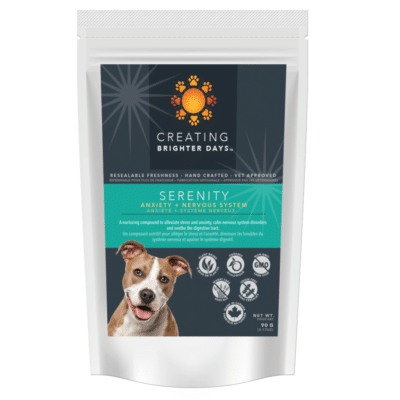
Mobility is the single biggest factor in a senior dog’s quality of life. Dogs that cannot move comfortably tend to withdraw, lose muscle mass, and develop secondary health problems like obesity and pressure sores. Joint health supplements address the mechanical side, but the anti-inflammatory and neuroprotective effects of ingredients like turmeric and CBD play an equally important role. Inflammation is not just a joint problem. It affects the brain, the liver, and the kidneys. By lowering the overall inflammatory burden, you support every system at once.
I have seen dogs with severe arthritis regain the ability to climb stairs after six weeks on a consistent regimen of Longevity Pet Treats. That kind of outcome requires more than just the treats. It also demands appropriate exercise, weight management, and regular veterinary checkups. But the nutritional foundation those treats provide can make the difference between a dog that suffers through its final years and one that enjoys them.
Practical Tips for Introducing the Treats
If you decide to try these products, introduce them gradually. Most dogs accept them readily because they are flavored to be palatable, but some older dogs can be finicky. Start with half a treat and see how your dog responds over a few days. Watch for changes in stool consistency, energy level, and willingness to move. It can take two to four weeks to see noticeable improvement in mobility and comfort.
Store the treats in a cool, dry place. Hemp-based products can degrade if exposed to heat or light, losing potency. I also recommend keeping a simple journal. Note the date, the dose, and any observations about your dog’s behavior. That record becomes invaluable when discussing progress with your veterinarian.
Why Quality Matters
The nutraceutical market for pets has grown rapidly, and not every product on the shelf is created equal. Some treats contain only trace amounts of active ingredients, enough to list them on the label but not enough to produce a physiological effect. Others use synthetic versions of compounds that are less effective than their natural counterparts. When you are buying for a senior dog with compromised liver function or kidney support needs, fillers and low-grade ingredients are more than a waste of money. They can actually add to the metabolic burden.
Kush Station, the site behind this article, is an example of a retailer that stocks carefully vetted products, including pet treats that emphasize quality sourcing and full-spectrum hemp extracts. Their approach reflects a broader shift in the industry toward transparency and efficacy. When you find a brand that provides detailed ingredient sourcing and independent lab testing, you have found a reliable option.

The Bigger Picture
Longevity Pet Treats are not a cure for aging. No product can stop time. But they can extend the period during which a dog remains active, comfortable, and engaged with its family. The goal is not to make a dog live forever. It is to make the years they have as good as they can be. That means less pain, more play, and a stronger bond between you and your companion.
If your dog is starting to slow down, talk to your vet about incorporating these treats into a broader care plan. Look for formulas that combine glucosamine, chondroitin, omega-3s, and antioxidants as a baseline, and consider adding CBD or turmeric if inflammation is a major concern. The right product, used consistently, can change the trajectory of your dog’s senior years. That is a return worth investing in.